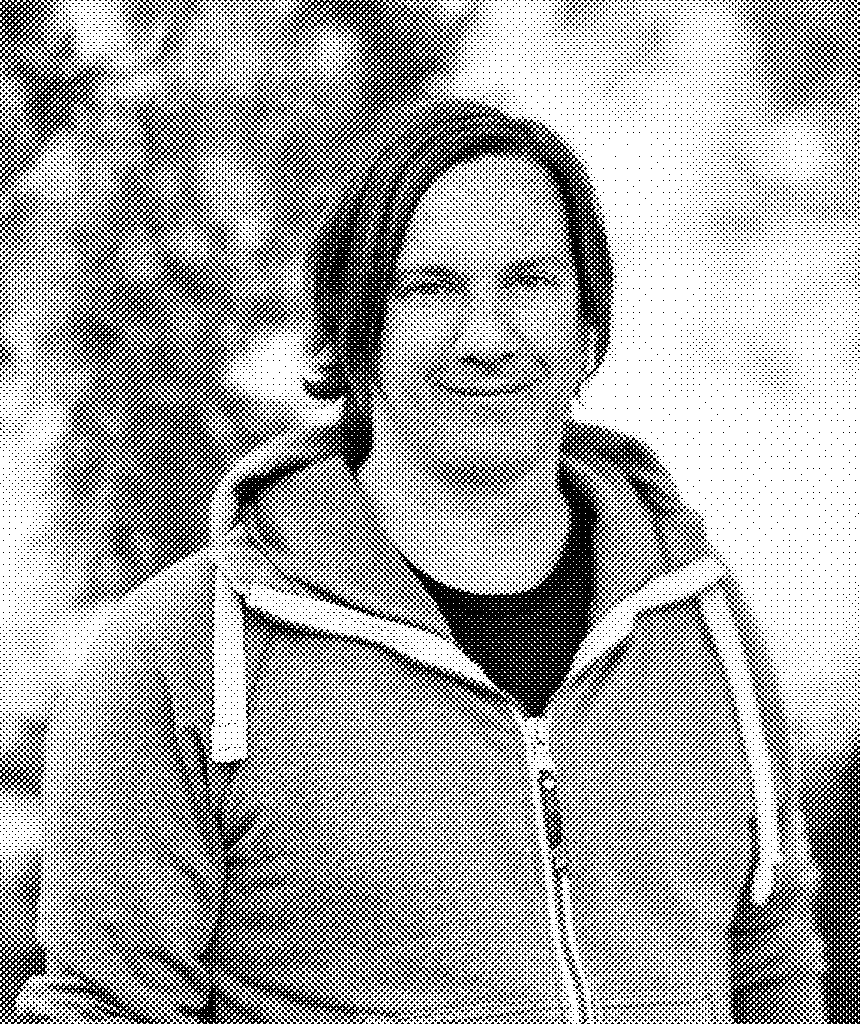
is a film sound engineer and sound designer from Kassel. For many years, he has been working at the intersection of film, documentary, art, and sound research. His work centers on the question of how sound tells stories, makes spaces tangible, and shapes our perception of reality. As a film sound engineer, he has been involved in numerous documentary and feature film productions, including the theatrical releases Xoftex, Rave On, and Servus Papa – See You in Hell. His work encompasses recording original sound on set as well as the creative development of acoustic concepts for film productions. From 2009 to 2019, Böhm was a research assistant at the Kassel Art Academy. There, he supported projects in the fields of film and media art and led workshops on film sound production and field recording. In addition to his work in film, he explores sound documentation, acoustic perception, and the cultural significance of hearing. In doing so, he combines technical precision with an interest in social, historical, and ecological issues. Böhm is committed to professional exchange within the film sound industry and is a member of the German Film Sound Association (bvft). In addition, he develops and supports projects that foster dialogue between filmmakers, the arts, academia, and the general public. His work views sound not merely as a technical element, but as an independent means of observation, creation, and communication.
Diegetic Music Production in Feature Films—Between Reality and Dramaturgy Music in film can be much more than just emotional background accompaniment. It becomes particularly compelling when it becomes part of the narrative world: as a band on stage, as radio playing in the background, or as a musical event within a scene. This so-called diegetic music presents film sound teams with unique creative and technical challenges. Sound editors Eeva Ojanperä and Tobias Böhm (bvft) discuss their experiences on feature film productions where they were jointly responsible for the original sound. Using concrete examples, they provide insights into the planning, recording, and post-production of diegetic music on the film set. How do they manage to combine musical authenticity with cinematic storytelling? When is music played live, and when is playback used? What demands does this place on direction, cinematography, acting, and sound? And how can dialogue, sound effects, and music be recorded in a way that meets both the dramatic and technical requirements of a feature film production? In their discussion, Ojanperä and Böhm explain the key production steps—from preparation through filming to the final mix—and demonstrate the narrative possibilities that diegetic music opens up. In doing so, they highlight just how strongly musical decisions can influence the perception of characters, spaces, and stories.The event is intended to kick off a new series of talks at the Range Sound Festival. The next installment is planned for next year and will focus on bioacoustics, field recording, and sound in installations. The event is aimed at filmmakers, those interested in sound, students, and all festival guests who would like to gain insight into the creative and technical aspects of professional sound work.